
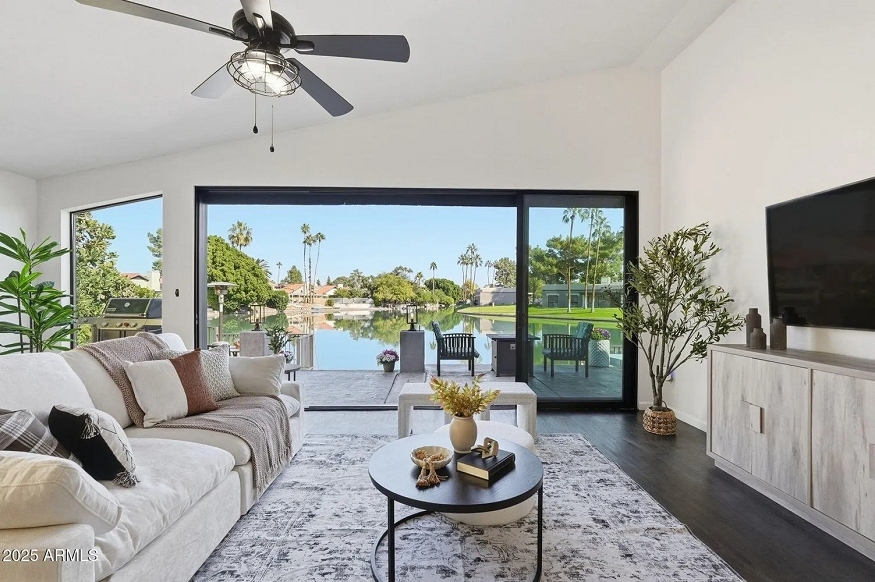
Selling a home in London has never been more competitive. Buyers are more informed, more selective, and often make decisions within minutes of viewing a property online. First impressions matter, and in a fast-moving property market, presentation can be the difference between a quick sale and a listing that lingers. This is where the debate around staged versus unstaged homes becomes highly relevant.
Across London, sellers are increasingly turning to staging to improve both sale speed and final price. Many now rely on a professional property staging company to present their homes in the best possible light. But what does the data actually say? Does staging genuinely deliver measurable results, or is it simply a visual upgrade with limited financial impact?
What Does “Staging” Really Mean in Today’s Market?
Home staging is no longer just about placing a sofa and a few cushions in an empty room. It has evolved into a strategic marketing tool that blends interior design with buyer psychology. The goal is to create a space that feels aspirational yet liveable, allowing buyers to imagine themselves living there.
In London, staging often includes neutral colour palettes, modern furnishings, clever lighting, and layout optimisation. It may also involve decluttering, minor repairs, and styling accessories to create a cohesive look. Estate agents frequently recommend staging because it enhances listing photos and improves viewing experiences, both of which are critical in attracting serious buyers.
Read More: Newark, Morganville & Millstone Homes: Where to Find the Best Real Estate in NJ
Sale Speed: What the Data Shows
One of the most consistent findings across the property market is that staged homes tend to sell faster. Industry reports suggest that staged properties in London can sell up to 30–50% quicker than unstaged equivalents. In practical terms, this could mean reducing the selling timeline from several months to just a few weeks.
This faster turnaround is largely driven by stronger first impressions. Online listings with professionally staged interiors receive more clicks and enquiries. When buyers attend viewings, they are more likely to connect emotionally with a well-presented home. As a result, offers often come in sooner, reducing the risk of price reductions later.
Why Unstaged Homes Often Take Longer to Sell
Unstaged homes can struggle to capture attention, especially in a crowded market like London. Empty rooms can feel cold and difficult to interpret, while overly personalised spaces may not appeal to a broad audience. Buyers may find it hard to visualise how they would use the space.
Additionally, flaws tend to stand out more in unstaged properties. Poor lighting, awkward layouts, or dated décor can become focal points rather than fading into the background. This can lead to hesitation, lower offers, or even a complete lack of interest, all of which slow down the sale process.
Read More: Digital Transformation in the Electrical
Impact on Sale Price: The Numbers Behind the Trend
Beyond speed, staging also has a noticeable impact on sale price. Data from UK property studies indicates that staged homes can achieve between 5% and 10% higher offers compared to unstaged properties. In London, where property values are high, this difference can translate into tens of thousands of pounds.
The reason is simple. Buyers perceive staged homes as better maintained and more desirable. This perception often justifies a higher asking price and reduces the likelihood of aggressive negotiations. In competitive situations, multiple buyers may even drive the price above the initial listing.
The Psychology Behind Higher Offers
Staging works because it taps into buyer psychology. People are naturally drawn to spaces that feel complete, stylish, and easy to move into. A staged home removes uncertainty and creates a sense of readiness, which can encourage stronger offers.
Buyers are not just purchasing square footage; they are buying into a lifestyle. When a property is staged effectively, it tells a story. It shows how each room can be used and highlights the potential of the space. This emotional connection often leads to quicker decisions and higher bids.
Online Listings: Where Staging Makes the Biggest Difference
In today’s digital-first property market, most buyers begin their search online. This makes listing photos one of the most important aspects of selling a home. Staged properties consistently outperform unstaged ones in terms of engagement.
High-quality images of well-styled interiors stand out on property portals. They attract more clicks, more enquiries, and ultimately more viewings. Unstaged homes, on the other hand, can appear dull or uninspiring in photos, causing potential buyers to scroll past without a second thought.
Viewing Experience: Turning Interest into Offers
While online listings generate interest, viewings are where decisions are made. A staged home creates a welcoming and memorable experience for buyers. It allows them to walk in and immediately understand the flow and function of the space.
In contrast, an unstaged property can feel incomplete or confusing. Buyers may struggle to see how furniture would fit or how rooms could be used. This uncertainty can reduce confidence and delay decision-making, which in turn affects both speed and price.
Cost vs Return: Is Staging Worth the Investment?
One of the most common concerns among sellers is the cost of staging. While there is an upfront investment, the return often outweighs the expense. In many cases, the increase in sale price alone can cover the cost several times over.
Moreover, a faster sale can reduce ongoing expenses such as mortgage payments, council tax, and utility bills. When these factors are taken into account, staging becomes a financially sensible strategy rather than an optional extra.
London-Specific Trends You Should Know
The London property market has its own unique characteristics. Space is often limited, and buyers expect a high standard of presentation. This makes staging particularly effective in flats, new builds, and investment properties.
There is also a growing demand for move-in-ready homes. Many buyers, especially professionals and international investors, prefer properties that require minimal effort after purchase. Staging aligns perfectly with this expectation, making properties more appealing to a wider audience.
When Staging Matters Most
While staging can benefit almost any property, it is especially valuable in certain situations. Vacant homes, for example, often see the greatest improvement when staged. Adding furniture and décor can completely transform the perception of space.
Properties that have been on the market for a while can also benefit. Staging can refresh the listing, attract new interest, and reposition the home in the eyes of buyers. It is often used as a strategic move to relaunch a property that has struggled to sell.
Final Thoughts
The data is clear. Staged homes in London tend to sell faster and achieve higher prices than their unstaged counterparts. In a competitive property market, presentation is no longer optional; it is essential.
For sellers looking to maximise their results, staging offers a practical and proven solution. It enhances online visibility, improves viewing experiences, and increases buyer confidence. Whether you are selling a small flat or a high-end property, investing in staging can make a meaningful difference to your outcome.