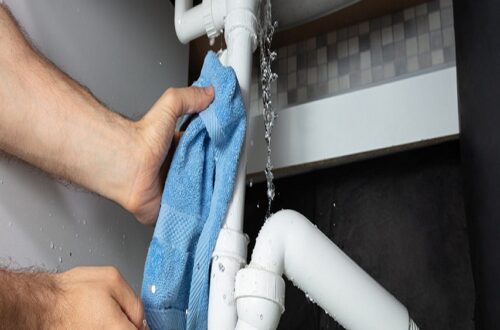

Reliable piping systems are essential for the smooth functioning of residential buildings, commercial spaces, agricultural operations, and industrial facilities. Whether it is supplying water, managing wastewater, or supporting irrigation, pipes must remain securely connected to perform efficiently. However, even high-quality pipes cannot deliver reliable performance if their joints are weak or improperly sealed.
This is where solvent cement becomes important. It is a specialized pipe jointing solution that helps connect compatible plastic pipes and fittings, creating strong and leak-resistant joints. Choosing the right solvent cement and applying it correctly can improve the reliability of a plumbing system, reduce the chances of leakage, and support long-term performance.
What Is Solvent Cement and How Does It Work?
Solvent cement is a chemical joining compound used to connect compatible thermoplastic pipes and fittings, particularly CPVC, uPVC, and PVC systems. Unlike ordinary adhesives that simply stick two surfaces together, solvent cement works by softening the surfaces of the pipe and fitting.
When applied to properly prepared joining surfaces, the solvents temporarily soften the plastic material. As the pipe is inserted into the fitting, the softened surfaces come into close contact and gradually fuse as the solvents evaporate. This process creates a strong joint that becomes an integrated part of the piping system.
Read More: How to Get Your Air Conditioner Ready for
A correctly prepared and cured joint provides a secure connection that helps prevent water leakage and supports the overall strength of the installation.
Why Is Solvent Cement Essential for Reliable Piping Systems?
Using the right solvent cement for pipes offers several practical advantages that contribute to the efficiency and durability of piping installations.
1. Strong and Secure Pipe Joints
One of the primary benefits of solvent cement is its ability to create strong connections between compatible pipes and fittings. The fusion process helps the joined components work together rather than relying on surface adhesion alone. This makes it an important component of dependable piping installations.
2. Leak-Resistant Connections
Loose or poorly joined pipes can lead to water leakage, dampness, and unnecessary water wastage. Properly selected and applied solvent cement helps create tightly joined connections, reducing the risk of leakage in plumbing and drainage networks.
3. Fast Setting and Efficient Installation
Solvent cement generally offers convenient application and relatively quick initial setting, helping installers complete pipe connections efficiently. However, initial setting should not be confused with complete curing. The recommended curing period must be followed before the system is put into service.
4. Long-Lasting Performance
A properly prepared and cured solvent-welded joint can provide durable performance throughout the service life of a compatible piping system. Selecting the correct product and following installation guidelines are essential to achieving consistent results.
5. Improved Plumbing System Reliability
Secure joints help maintain the overall integrity of plumbing and drainage systems. By reducing the chances of joint failure and leakage, solvent cement supports more dependable water distribution and wastewater management.
6. Reduced Maintenance Requirements
Leakage and joint-related problems can result in frequent repairs and additional maintenance expenses. Correctly installed solvent-welded connections help minimise these issues, making them a practical choice for durable piping systems.
Different Types of Solvent Cement
Solvent cement is available in different formulations to suit specific plastic pipe materials. Selecting the correct type is essential because different polymers require compatible joining compounds.
l CPVC Solvent Cement
CPVC solvent cement is used for joining compatible chlorinated polyvinyl chloride pipes and fittings. It is commonly used in hot and cold water plumbing installations where CPVC piping systems are specified.
l uPVC Solvent Cement
uPVC solvent cement is designed for compatible unplasticised polyvinyl chloride pipes and fittings. It is commonly used in water supply, plumbing, and other piping applications depending on the pipe system’s specifications.
l PVC Solvent Cement
PVC solvent cement is used to join compatible polyvinyl chloride pipes and fittings. It finds applications in suitable water distribution, drainage, and other PVC piping installations.
Read More: Enhancing Curb Appeal Through Thoughtful
Always check the pipe material, pressure or service requirements, applicable standards, and manufacturer’s recommendations before selecting a solvent cement.
Applications of Solvent Cement in Different Industries
Solvent cement plays an important role in several sectors where plastic piping systems are used.
- Residential and Commercial Plumbing: It helps connect compatible pipes and fittings used in water supply networks, bathroom plumbing, and building installations.
- Agricultural Piping and Irrigation: It supports secure connections in suitable agricultural water distribution and irrigation systems, helping maintain consistent water flow.
- Drainage and Sewerage Systems: It is used in compatible PVC and SWR piping installations to create secure joints for wastewater and drainage management.
- Industrial Piping Applications: It can be used in suitable industrial piping networks where compatible thermoplastic materials and approved joining methods are specified.
The correct formulation must always be selected according to the application and operating conditions.
Tips for Choosing and Applying the Right Solvent Cement
Selecting good-quality solvent cement is only one part of achieving reliable pipe connections. Proper preparation and application are equally important.
Here are some practical points to consider:
- Check Material Compatibility: Ensure the solvent cement is specifically recommended for the pipe and fitting material, whether CPVC, uPVC, or PVC.
- Prepare the Surfaces: Pipe ends and fitting sockets should be clean, dry, and free from dust, grease, and other contaminants.
- Follow Application Instructions: Apply the solvent cement according to the manufacturer’s directions, using the recommended application method and quantity.
- Ensure Proper Alignment: Insert the pipe into the fitting fully and maintain the recommended positioning during the initial setting period.
- Allow Sufficient Curing Time: Follow the manufacturer’s recommended setting and curing schedule before testing or using the piping system. Curing requirements may vary depending on pipe diameter, temperature, humidity, and other installation conditions.
- Store Carefully: Keep the container properly sealed and follow the manufacturer’s storage and handling instructions.
Following these precautions helps achieve stronger joints and reduces the likelihood of installation-related problems.
Choose APL Apollo’s Solvent Cement for Reliable Pipe Connections
Choosing the right solvent cement is essential for building strong, sturdy, and leak-resistant piping systems. APL BOND Solvent Cement is manufactured under stringent quality control and is available in three variants: CPVC, uPVC, and PVC solvent cement. Designed for fast-setting performance, it meets ASTM standards and is suitable for different SDR/SCH/ASTM/classes of CPVC, uPVC, PVC, and SWR piping systems, as specified on the official website.
For convenient selection across different installation requirements, CPVC and uPVC variants are available in 25 ml, 59 ml, 118 ml, 237 ml, 473 ml, and 946 ml packaging sizes, while the PVC variant comes in 25 ml, 50 ml, 100 ml, 250 ml, 500 ml, 1000 ml, and 5000 ml sizes. With applications across plumbing, agriculture, and drainage systems, APL BOND Solvent Cement provides a dependable pipe jointing solution that supports strong, sturdy, and leak-resistant connections for reliable piping installations.