The exterior of a home is its first impression. It sets the tone for what lies beyond the door and communicates something about the people who live there. Enhancing curb appeal is not about following trends but about making choices that express character and quality. The materials you use, their colour, and the way they interact with light and landscape all play a role in creating a welcoming, lasting impression. With a little thought, the exterior can reflect both style and substance in equal measure.
Understand the Power of First Impressions
Curb appeal begins the moment someone approaches your home. The textures, tones, and proportions of the exterior all shape that initial feeling. A balanced design feels calm and inviting, while clashing materials or harsh colours can overwhelm. The goal is not to impress with grandeur but to create harmony. When materials complement each other, the overall look becomes timeless, giving a sense of care and permanence before anyone steps inside.
Choose Materials That Reflect the Home’s Character
Every home has its own story. The materials chosen for its exterior should complement its architecture rather than compete with it. Natural textures like timber, stone, or brick add warmth and authenticity, while sleek finishes offer a more contemporary look. Consider the age, setting, and proportions of your home before deciding what feels right. When the exterior reflects the spirit of the building, the result is subtle and enduring rather than forced.
Read More: Best Whole House Solar Generator for Modern Home Energy Upgrades
Balance Texture, Colour, and Tone
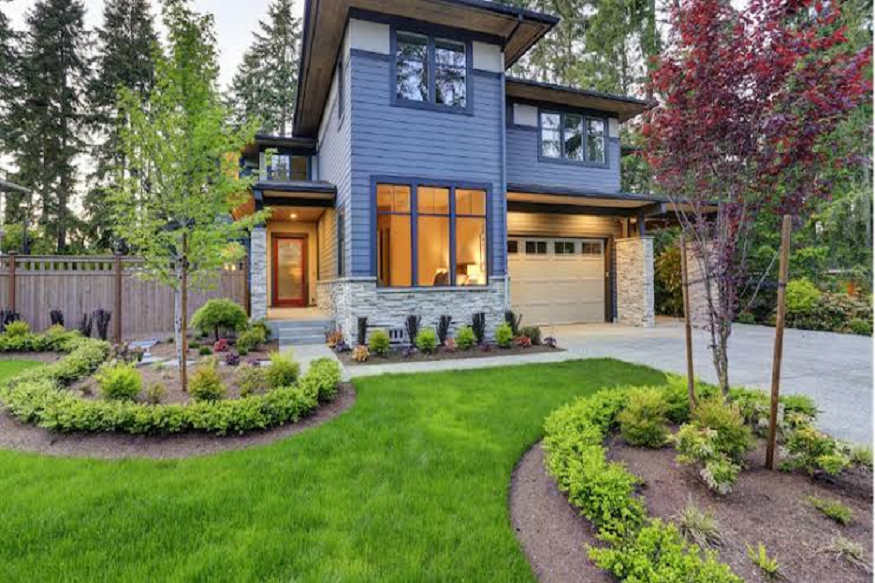
Colour plays a quiet but powerful role in kerb appeal. Soft, muted shades help a house blend with its surroundings, while deeper tones create contrast and definition. Texture adds depth, helping light interact beautifully across the surface. A mix of materials can work well when handled with restraint. Stone or brick at the base can ground the home, while smoother cladding above lightens its appearance. The balance of tone and texture makes the design feel deliberate and cohesive.
Balance Texture, Colour, and Tone
Colour plays a quiet but powerful role in curb appeal. Soft, muted shades help a house blend with its surroundings, while deeper tones create contrast and definition. Texture adds depth, helping light interact beautifully across the surface. A mix of materials can work well when handled with restraint. Stone or brick at the base can ground the home, while smoother finishes such as composite cladding bring a touch of modern elegance without overpowering the design. The balance of tone and texture makes the exterior feel deliberate, harmonious, and enduring.
Coordinate with Other Elements
The beauty of a home’s exterior lies in how its components work together. Windows, doors, roofing, and pathways should feel part of the same design language. Matching or complementary finishes create a sense of order. For example, dark window frames might pair beautifully with warm-toned cladding, while light paving can contrast gently with deeper wall colours. Every detail contributes to the impression of a home that has been designed rather than decorated.
Think About the Setting
A home does not exist in isolation. Its exterior should respond to the landscape, neighbouring properties, and the natural light of its environment. Homes surrounded by greenery can benefit from warm, earthy tones, while those in urban settings may suit cleaner, more architectural finishes. Observing how the sun moves across the façade can also influence material choice. Some surfaces glow in sunlight while others reveal texture in shade. Designing with the setting in mind ensures that the exterior feels grounded and connected to its environment.
Sustainability and Longevity
Good design is about longevity as much as appearance. Materials that age gracefully contribute to a sense of integrity over time. Choosing options that are durable, easy to maintain, and environmentally responsible ensures that the home continues to look good without constant upkeep. When sustainability and beauty are considered together, curb appeal becomes something that lasts rather than fades.
Read More: Digital Transformation in the Electrical Manufacturing Sector
Add Subtle Finishing Touches
Details complete the story. A well chosen front door colour, lighting that highlights architectural features, or neatly edged planting can all elevate the exterior. Even the smallest decisions make a difference when approached with consistency. A single repeated material or colour accent can tie everything together, giving the façade a sense of rhythm and calm. These touches may go unnoticed individually but together they create a strong impression of care and design awareness.
For wider commercial, hospitality, or public-facing projects, small supporting details can make the finished space feel more complete. Composite decking can provide a durable, low-maintenance surface for terraces, entrances, outdoor seating areas, and customer-facing spaces; while hand dryers can support cleaner, more efficient washroom facilities; while traditional signage can add character, direction, and brand presence; while digital signage can share changing information, promotions, menus, or wayfinding updates clearly.
Conclusion
Enhancing curb appeal is less about making a statement and more about achieving harmony. Thoughtful material choices, careful coordination, and attention to detail can transform how a home feels from the outside. By selecting finishes that balance beauty, durability, and authenticity, you create a welcoming exterior that endures through the years. When the design respects the home’s character and setting, it leaves a quiet but lasting impression on everyone who passes by.